
- April 11, 2026
- blog
- By: Bliniq
- No Comments
What is PRP Therapy for Hair
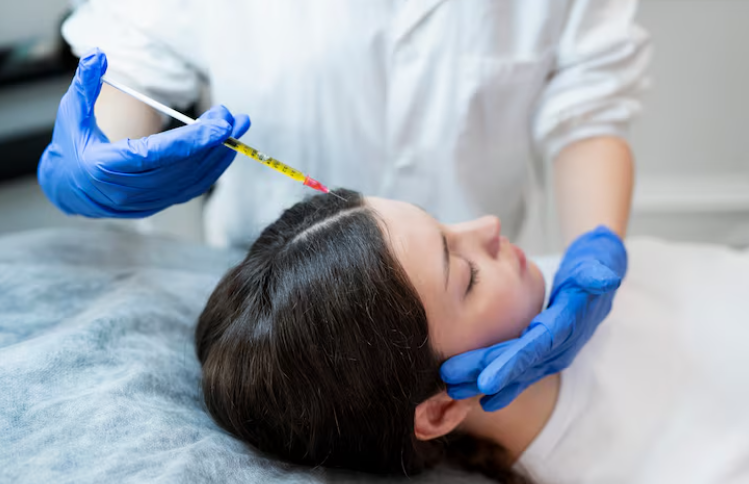
Hair loss can be stressful for anyone. Many people look for a safe and good answer. This guide explains what is prp therapy for hair. It is a new treatment that uses your body’s own healing power. At Bliniq Cosmetic Surgery Centre, we offer new hair fall treatments. We want to help you know your choices for healthier, fuller hair. This post will tell you all you need to know.
Understanding Hair Loss and Modern Solutions
Hair loss affects both men and women. Common causes are genes, stress, and hormone changes. In the past, choices were few. Today, healing medicine offers new hope. These treatments work to fix and wake up your body’s cells. Bliniq Cosmetic Surgery Centre offers new answers like PRP therapy. We focus on the latest treatments to help you reach your goals.
What is PRP Therapy for Hair Loss?
You may be asking, what is prp therapy for hair loss? It is a treatment that uses your own blood to help hair grow. The goal is to wake up weak or sleeping hair follicles. This leads to thicker, healthier hair.
The Science of Platelet-Rich Plasma
PRP stands for Platelet-Rich Plasma. Your blood has two main parts: plasma and platelets. Plasma is the liquid part. Platelets are small cells that help your body heal. They have strong growth factors. To get PRP, we draw a small amount of your blood. We spin this blood in a special machine called a centrifuge. This process separates the platelets. It makes a strong plasma that is full of growth factors.
How PRP Stimulates Hair Follicles
We inject the prepared PRP into your scalp. These shots target areas where hair is thinning. The growth factors in the PRP start to work right away. They can help wake up sleeping hair follicles. They also help keep your hair in its growth phase longer. The treatment helps blood flow to the follicles. This leads to stronger and thicker hair over time.
The PRP Treatment Process at Bliniq Centre
At Bliniq, your comfort and safety are our main goals. The PRP therapy process is simple and easy. Our team of skilled experts, led by Dr. Ashwani Kumar, performs the treatment.
Step 1: Consultation and Scalp Analysis
- Your journey starts with a private meeting.
- Our experts will check your scalp.
- We check your type of hair loss to see if PRP is right for you.
Step 2: Blood Draw and Preparation
- We draw a small amount of blood from your arm.
- We then put the blood into a centrifuge.
- This machine spins the blood for about 10-15 minutes to gather the platelets.
Step 3: PRP Injection into the Scalp
- We clean your scalp. We may use a numbing cream for your comfort.
- We then inject the prepared PRP into the areas where hair is thin.
- The whole process usually takes about 60 to 90 minutes.
Who is an Ideal Candidate for PRP?
Knowing if you are a good fit for what is prp therapy for hair is a key step. The treatment works best for some types of hair loss.
Identifying Early-Stage Hair Loss
PRP works best for people with early to mild hair thinning. This includes common pattern baldness, also known as androgenetic alopecia. It works by waking up hair follicles that are still alive but weak. It usually does not work for areas with full baldness. This is where follicles are no longer alive.
Contraindications for PRP Therapy
Some health issues may mean you cannot have PRP therapy. These can include blood problems, active scalp infections, or some skin issues. During your meeting at Bliniq, we do a full check of your health history. This makes sure the treatment is safe for you.
Key Benefits of PRP Hair Treatment
PRP therapy offers many benefits for those who want a natural way to restore hair.
- Natural and Safe: The treatment uses your body’s own cells. This greatly lowers the risk of bad reactions.
- Non-Surgical: It is a simple process with no cuts or stitches needed.
- Minimal Downtime: Most people can go back to their normal daily tasks right after the session.
- Improves Hair Health: It can lead to thicker, fuller, and stronger hair.
Potential Side Effects and Disadvantages
Like any medical treatment, it is key to know about possible side effects. The good news is that side effects from PRP are usually mild.
Common and Mild Side Effects
Some people may feel short-term side effects after treatment. These can include mild pain, swelling, redness, or itching where you got the shots. These signs are usually small. They go away in a few days.
Understanding the Limitations
It’s important to have real hopes. Results from PRP therapy are not instant. The treatment needs many sessions. How well it works can change from person to person. Things like your genes play a role. To keep the results, you will need more treatments over time.
What to Expect: Results and Timeline
You need to be patient to see results from what is prp therapy for hair. Here is a common timeline.
Timeline | What to Expect |
After 1-2 Sessions | You may notice less hair falling out. |
After 3-6 Months | You can often see thicker and fuller hair. |
Ongoing | Upkeep sessions help keep and improve results. |
Typical Treatment Schedule
A normal treatment plan starts with a first set of sessions. Most people need 3-4 treatments. These are spaced 4-6 weeks apart. After the first phase, we create an upkeep plan. This plan includes more sessions every 4-6 months to keep your hair healthy.
When Will You See Results?
You can see the first changes in a few months, like less hair fall. More major growth and thickness are easy to see after about three to six months. Results get better over time with regular treatment.
What is the cost of PRP therapy for hair loss?
Many people ask, what is the cost of prp therapy for hair loss? The price can change for many reasons. These include the clinic’s spot and how many sessions you need. In India, the average cost per session can be from ₹3,500 to ₹8,000. Clinics often offer deals for the first set of treatments. It’s key to know that PRP is a cosmetic treatment. This means insurance usually does not cover it. For a personal price, we invite you to book a meeting at Bliniq.
Combining PRP with Other Hair Fall Therapies
For even better results, you can mix PRP with other treatments. At Bliniq, we offer a full set of ‘Hair Fall Therapies’ to meet your own needs.
Treatment Combination | Primary Benefit |
PRP + Hair Transplant | Improves healing and growth of new follicles. |
PRP + Mesotherapy | Gives two-way help by healing and feeding the hair. |
PRP with Hair Transplants
PRP is often used after a hair transplant surgery. It helps speed up the healing process. It also helps the newly moved hair follicles to grow strong and healthy. This full approach can lead to better results.
PRP and Mesotherapy Synergy
Mesotherapy is another treatment we offer at Bliniq. It means putting a mix of vitamins and nutrients into the scalp. When mixed with PRP, they work very well together. PRP works to fix follicles. Mesotherapy gives key food for hair growth.
Why Choose Bliniq Cosmetic Surgery Centre?
Choosing the right clinic is key for your treatment. Bliniq Cosmetic Surgery Centre was started by Dr. Ashwani Kumar. We are focused on great work. We offer new and modern cosmetic treatments. Our skilled team uses the newest tools to make sure you get the best care. We offer ‘Hair Fall Therapies’ and other cosmetic services. We are your full answer for beauty needs. We work to make great care easy to get and low-cost.
Frequently Asked Questions
Yes, it can help wake up sleeping hair follicles. This helps new growth and makes hair thicker.
The main downsides are that results are not instant. It needs many sessions and ongoing upkeep.
It is not a forever cure. You need upkeep treatments to keep the results long-term.
A first set of 3-4 sessions is common. Then, you will need upkeep sessions every 4-6 months.
Pain is usually small. We can use a numbing cream on the scalp before the shots.
People with blood problems, active scalp infections, or full baldness may not be good fits.
